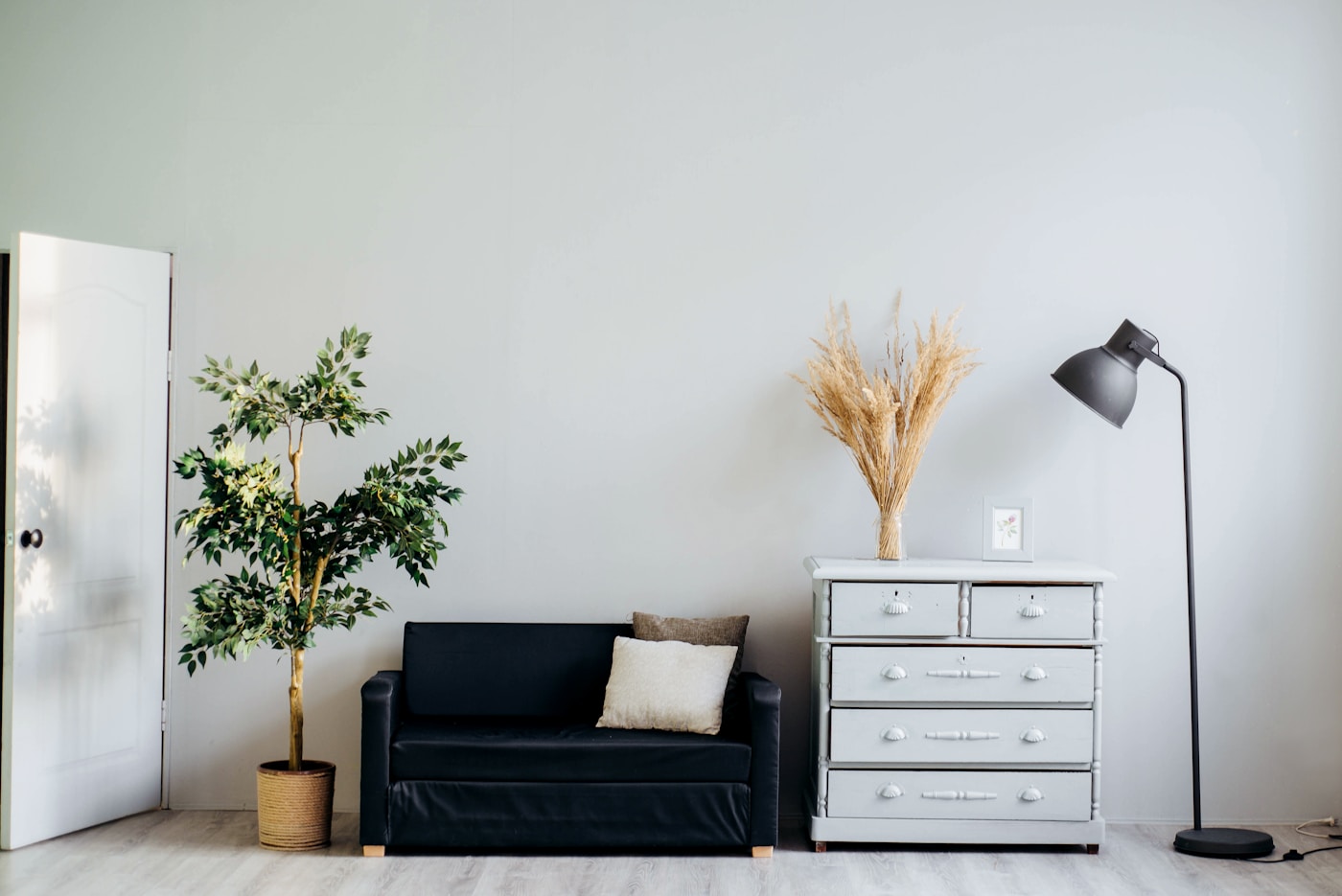
The chair by my window is not special—fabric worn at the arms, one leg slightly shorter than the others, compensated by a folded receipt under the foot. But it catches the best light in the flat between three and five, when the sun slides past the neighbouring block and enters at an angle that makes dust visible in a kindly way, like punctuation you choose to keep.
On that October afternoon I sat with a library book I had renewed twice out of affection rather than progress. Rain had passed earlier, leaving the glass speckled. Each drop held a tiny inverted city until it slid down and disappeared. I drank plain tea without checking the phone for the first hour, which felt almost luxurious in its modesty.
From the chair I can see a slice of corridor in the opposite block: laundry poles, a plant in a Milo tin, once a cat that returns seasonally. The view is partial by necessity—HDB geometry decides what you get—but partial views train attention. You learn to notice when a light goes on two floors above where it was off yesterday. You learn that stories do not require wide shots.
I read the same paragraph four times without absorbing it because my mind was composing its own line about kettle steam and how it fogs the kitchen window before clearing from the bottom up. Writing habits are odd houseguests. They arrive uninvited, sit on the good chair, and leave when fed. I set the book face-down on the armrest and wrote the line in the notebook I keep on the floor, where the spine stays flat and the pages do not pretend to be important.
A neighbour's child practiced recorder somewhere below, the notes imperfect but earnest. I remembered learning an instrument badly and how adults tolerated the sound because growth is supposed to be audible. The afternoon stretched without becoming lazy. Shadows lengthened across the tile. The chair cooled where sun had left it.
When I stood, my knees complained politely. I made another cup and returned to the desk—not the chair—because editing belongs to a harder surface. The window view remained, but the light had turned gold, then ordinary. The chair waited for tomorrow's sitting. I liked knowing it would be there, slightly uneven, holding the room's best angle for anyone patient enough to stop and look without needing a reason beyond the light arriving on schedule.
Weeks later I noticed the receipt under the short leg had been replaced by a folded bus ticket, probably mine. The chair still wobbled slightly. I left the ticket there. Small shims are part of the story too—how we stabilise what we use daily without pretending the floor was ever level. Lavender noise rose from the street. The book returned to the library on time, which felt like the true ending.
I still sit in that chair when the light cooperates, though October has long passed. The window glass fogs differently now that the year has turned, but the habit remains: read until the mind offers a line, then write before the kettle cools. The room remembers.